“Growing up, the creative outlets available to me were very limited.” – Diomenne Diakite, TAP Trainee, 2025-2026
Art, in school and in most programs, was usually presented as drawing, painting, or—if you were lucky—dance. But as a fiber artist, someone who connects deeply to sewing, embroidering, weaving, and quilting, I didn’t see myself reflected anywhere. I didn’t know that what I loved counted as art. And I definitely didn’t know that something like “teaching artistry” existed.
This is why teaching artistry means so much to me now. I get so much joy from bringing something unexpected into the classroom: a thread, a needle, some fabric, and the invitation to slow down. Students who might not think of themselves as “artists” suddenly light up when they realize that fiber art gives them a way to express themselves that feels familiar, comforting, tactile, or simply different from what they’ve done before.
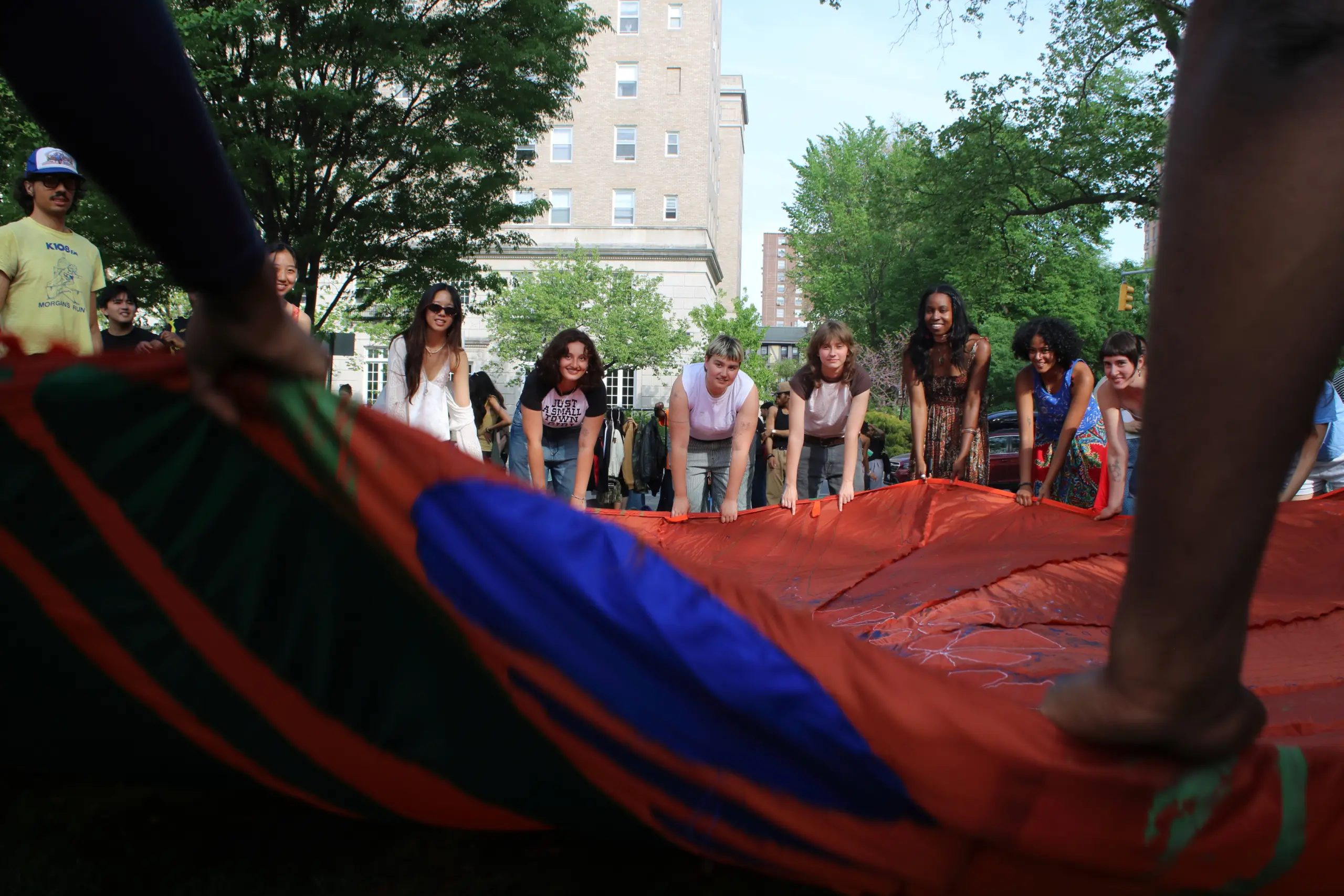
Fiber art is often repetitive and rhythmic. By giving the hands something to do that the mind can catch up to, it creates an environment where reflection and conversation happen organically. And in a world that is constantly overstimulating, fiber art creates a pocket of quiet. I’ve watched students who typically struggle to focus become completely absorbed in stitching. I’ve watched anxious students find calm in the gentle motion of pulling thread through fabric. Art-making creates space for students to breathe, and that is why I believe so strongly in making the arts accessible to the people who need them most.
My training at TAP has directly strengthened this approach. One of the biggest things TAP taught me is that my teaching doesn’t happen in a vacuum. I don’t just walk into a room with my materials and deliver a lesson. I’m entering a space that has its own energy, its own needs, and its own histories. Students bring their full selves with them—joy, frustration, trauma, curiosity—and as a teaching artist, I have a responsibility to honor that complexity.
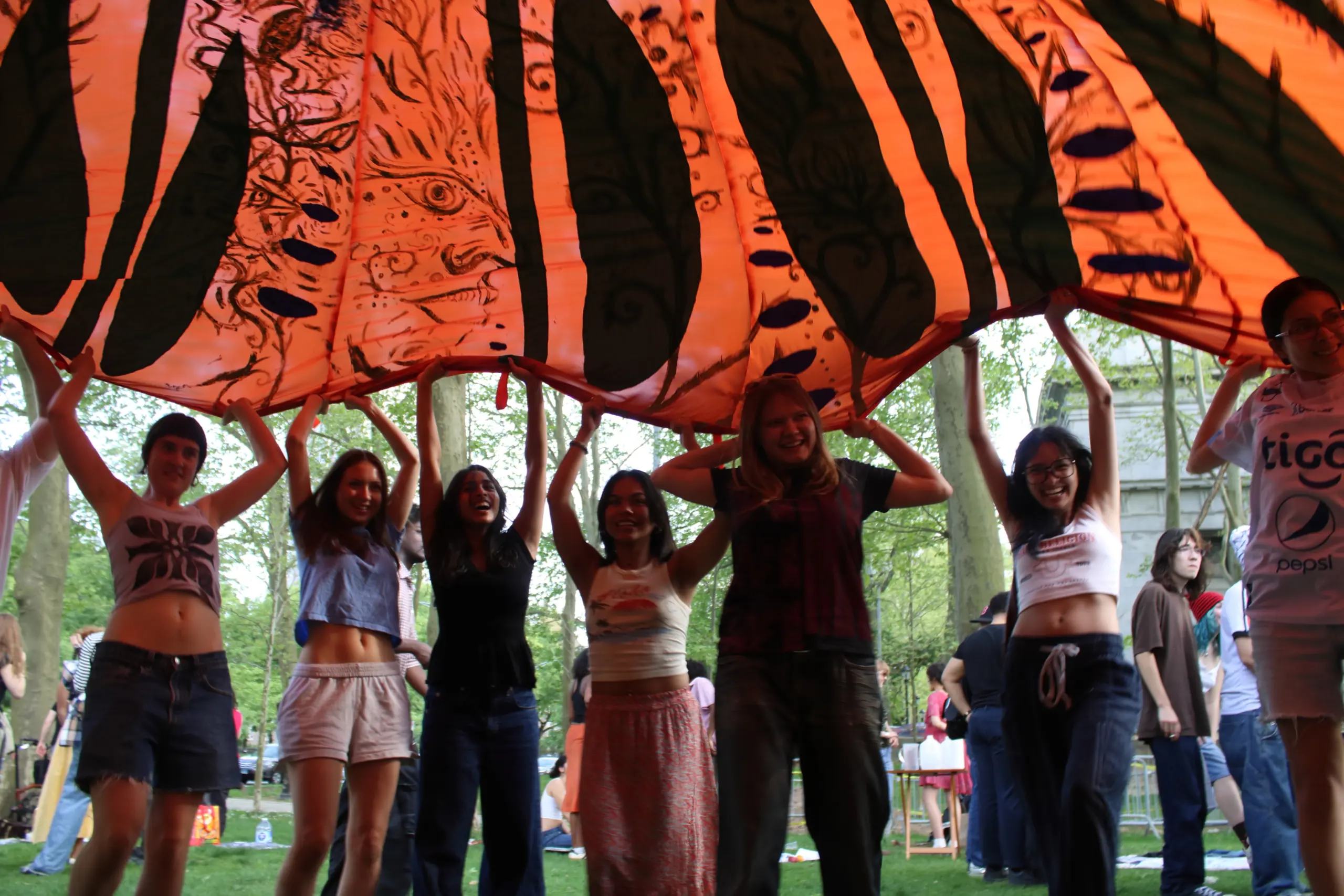
TAP provides me with frameworks and tools that make this work not only possible but sustainable. The program emphasizes accountability, leadership, and humility—three qualities that I now see as essential to my practice.
Accountability means being aware of my impact in a room, not just my intention. It means planning intentionally, communicating clearly, and following through in ways that make students feel supported through their artistic journeys.
Leadership, in the TAP sense, means modeling creativity, vulnerability, and consistency. It’s about guiding students while also collaborating with them.
Humility may be the most important for me. It reminds me to stay curious, to listen, and to ask myself what the students need rather than what I want to teach. It pushes me to adapt, to meet learners where they are, and to acknowledge that every class is a co-created experience.
Another invaluable part of TAP has been the community and the larger TAP Alliance. Being in a cohort of teaching artists—each with different disciplines, backgrounds, challenges, and strengths—has expanded my understanding of what teaching artistry can look like. I’ve learned as much from my fellow trainees as I have from the formal workshops themselves. The path to teaching artistry is extremely subjective and it has been a tremendous experience learning how people find ways to fit this practice into their lives. Having access to additional training, professional development, and continuing education through the TAP Alliance also makes me feel supported as I build a sustainable long-term practice.
Before TAP, I was piecing my teaching identity together on my own. I wasn’t sure what skills or experiences would make me competitive for residencies, who to go to for advice, how much to charge for my residencies, or what I was missing out on. Now, I feel grounded in a network of people who understand the work and believe in the impact it can have. I have mentors, peers, and resources to grow with. I’m learning how to protect my time, how to design lesson plans with intention, how to incorporate trauma-informed approaches, and how to advocate for myself as a working artist.
Teaching artistry is not just about teaching art more than it’s community-building, healing, and creating spaces for people to discover themselves. And TAP has helped me articulate that truth; Not just in theory, but in practice.
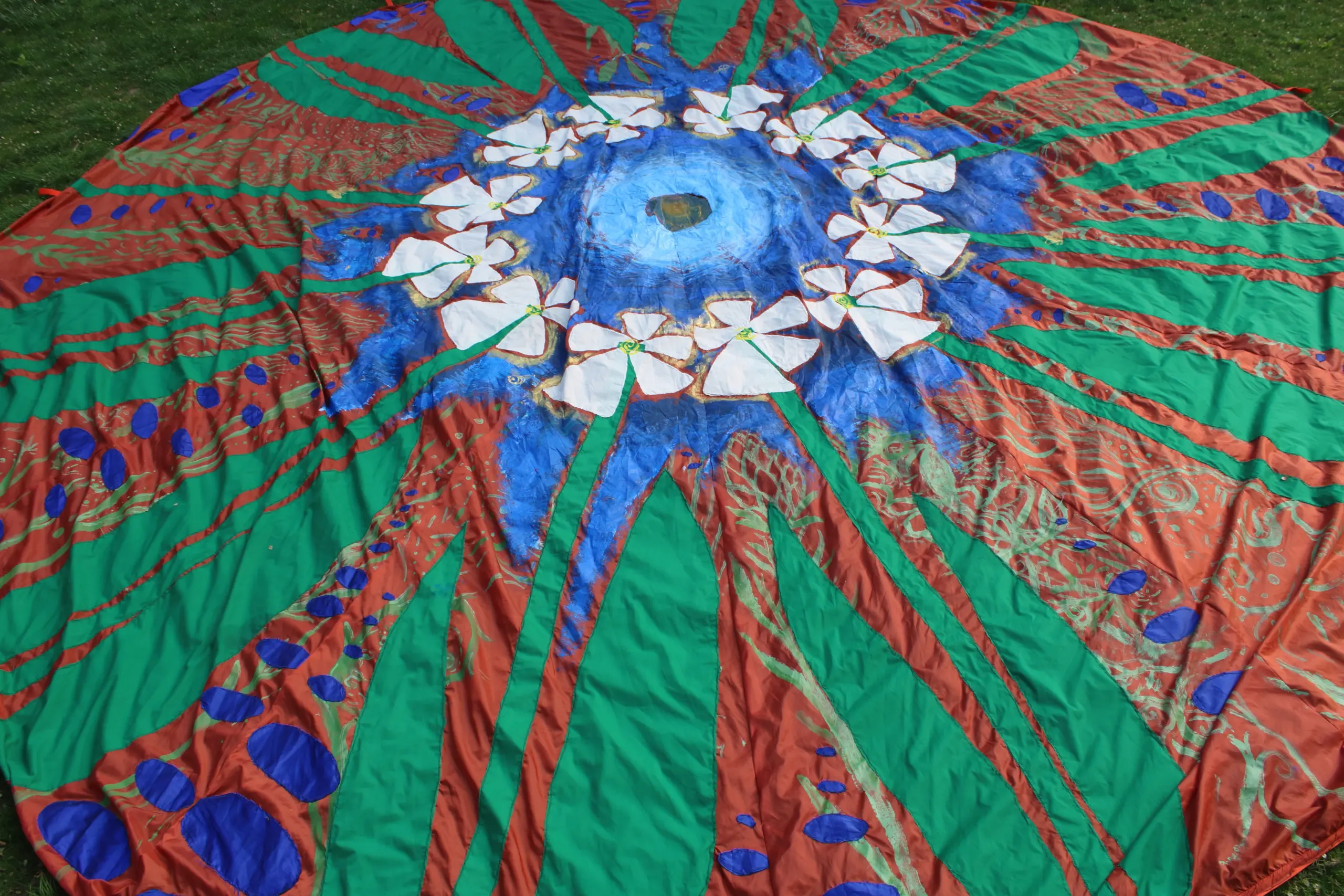
Every time a student settles into the rhythm of stitching, every time someone surprises themselves with what their hands can do, every time a classroom becomes a place of calm and self-discovery, I’m reminded why I’m here.
Blog by Diomenne Diakite, TAP Trainee, 2025-2026
